

Aubusson tapestries are world-famous textile artworks from the town of Aubusson in France’s Nouvelle-Aquitaine region.
Crafted with exceptional skill passed down through generations, they are recognized worldwide for their quality and beauty.


These luxurious tapestries combine artistry, design, and cultural heritage. You can admire them in museums, cathedrals, luxury hotels, castles, and prestigious institutions like the French Senate.

History

  • The art of tapestry in Aubusson, located in the Creuse region of France, dates back to the 15th century. Its
    origins are subject to various theories, but it developed significantly with the arrival of Flemish weavers from
    Northern Europe.
  • In the 17th century, under the reign of Louis XIV, Aubusson received official recognition as a center for tapestry
    production.
  •  In the 20th century, Aubusson collaborated with renowned artists such as Jean Lurçat, Picasso, and Le
    Corbusier, modernizing both themes and styles.

Characteristics

  • Tapestries are entirely handwoven on traditional low-warp (basse-lisse) looms.
  • Dyed wool is used, sometimes enriched with silk for added texture and depth.
  • Highly detailed depictions: landscapes, mythological scenes, modern themes, or contemporary art.
  • Completing a single tapestry can take several months or even years, depending on its size and complexity.
  • Each piece is unique and requires close collaboration between artists, dyers, and weavers.
  • UNESCO Recognition

    In 2009, the “Aubusson tapestry craftsmanship” was inscribed on UNESCO’s Representative List of the Intangible Cultural Heritage of Humanity. This recognition highlights the historical, artistic, and cultural significance of this ancient art form.

  • Geographical Indication (GI)

    The name “Aubusson Tapestry” is protected by an official Geographical Indication (GI), which, issued by the French National Institute of Industrial Property (INPI), ensures that the tapestry is produced locally in the Aubusson area, crafted using traditional skills passed down through generations, and created with materials and techniques in accordance with historical practices.
Tapestry Authentication

  • Certificate of Authenticity: Issued for each tapestry, this certificate lists the GI registration number and all
    identifying details of the tapestry.
  • Bolduc (Tag): Sewn directly onto the back of the tapestry, with the information handwritten. It serves as the
    tapestry’s identifier, including the GI logo, the piece’s registration number, and the artist’s signature.
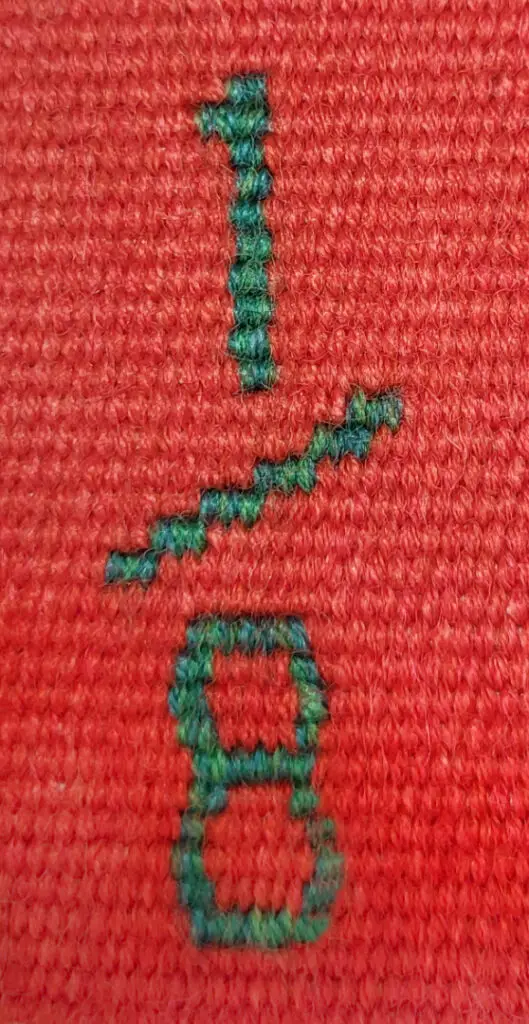
  • Edition Number: Woven continuously into the tapestry at the back. It is part of the tapestry and cannot be
    removed or added later. The edition of an Aubusson tapestry is limited to eight copies.
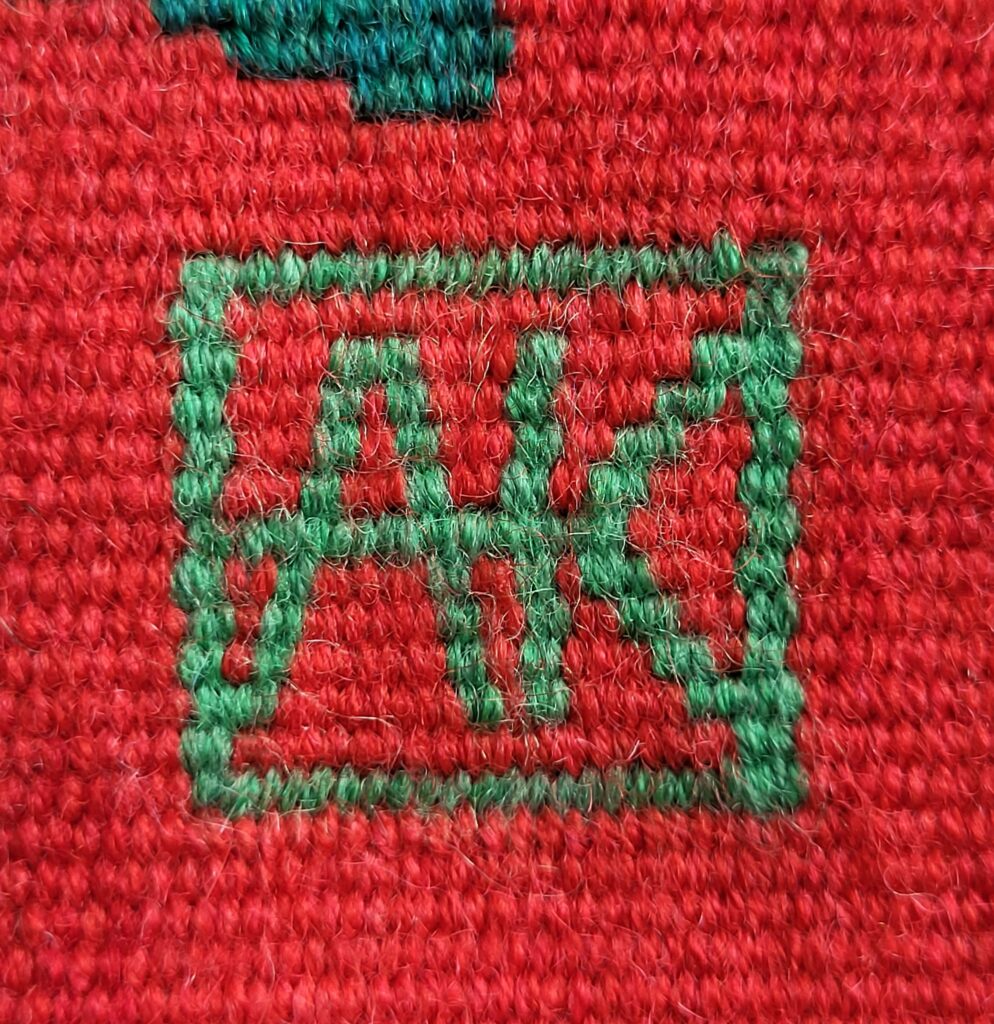
  • Studio Logo: Woven into the tapestry or continuously on the back. It is part of the tapestry and cannot be
    removed or added later. This represents the logo of Atelier A.KONOMI.
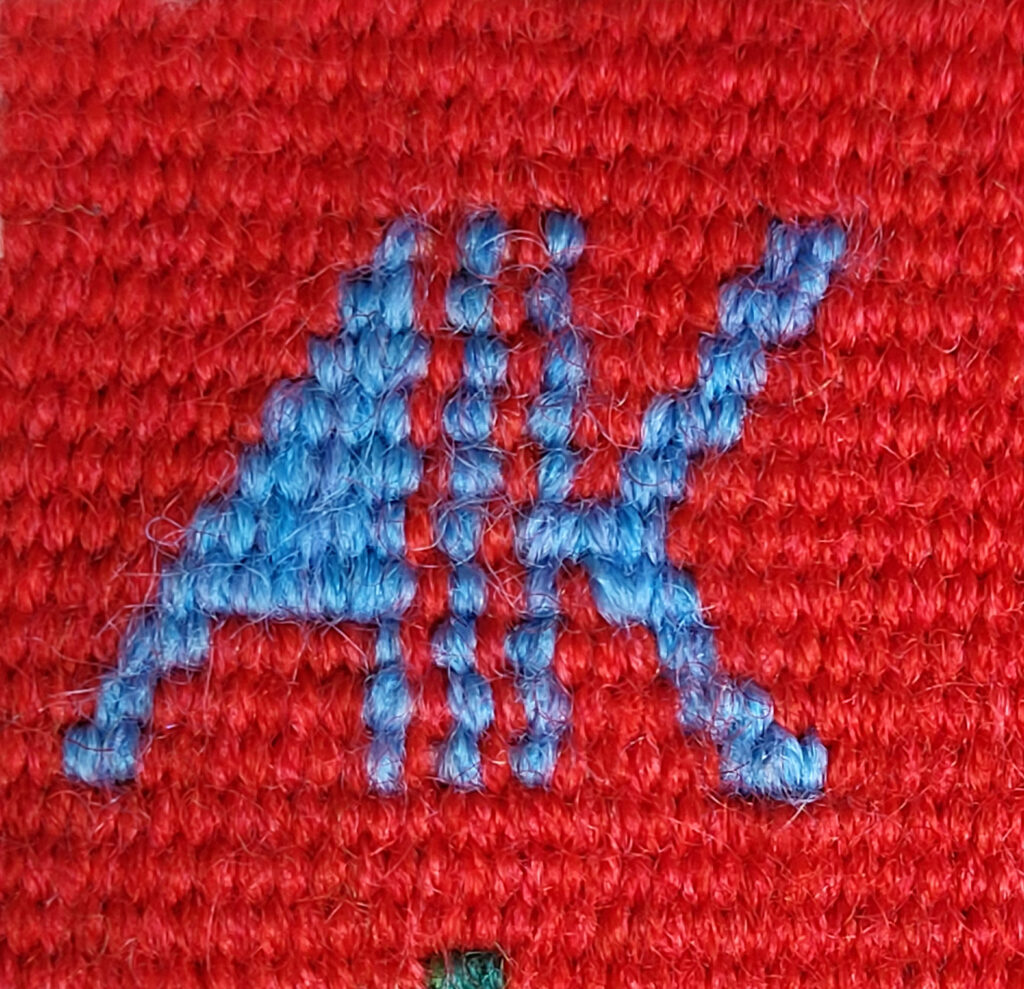
  • Artist Logo: The signature or logo of the artist who designed the piece is woven into the tapestry at the artist’s
    chosen location. This is the logo of Aiko KONOMI.
Artist Aiko Konomi Signature
Atelier A.Konomi Signature
Edition Number